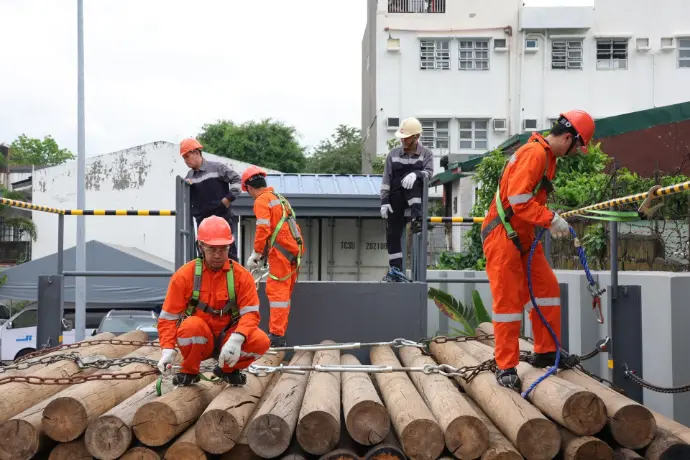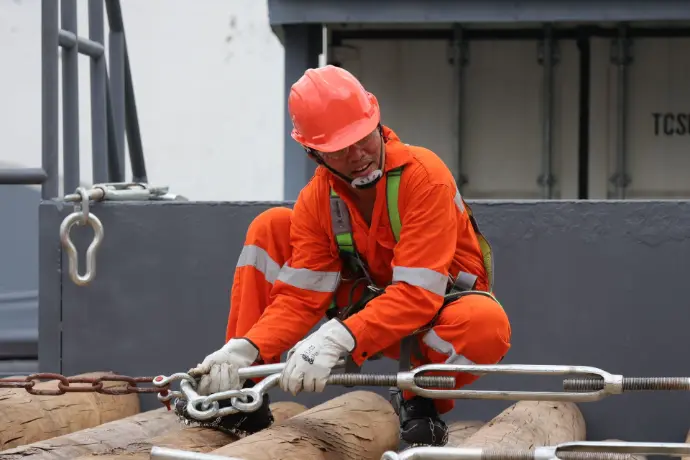
In line with its commitment to advancing maritime safety and operational excellence, the training center recently conducted a specialized Safe Handling of Log Cargoes course in collaboration with valued partner Swire Shipping.
The two-day program brought together eight participants, composed of deck officers and ratings, fostering a collaborative learning environment that reflects real-world onboard dynamics. The training was designed to equip seafarers with the essential knowledge and practical skills required to ensure the safe, compliant, and efficient handling, stowage, and transportation of log cargoes.
A strong emphasis on risk management, adherence to international regulations, and the application of best practices to safeguard both crew and cargo are at the core of this course. Training is also guided by the International Convention on Load Lines and the Code of Safe Practice for Ships Carrying Timber Deck Cargoes (2011 TDC Code), ensuring that training aligns with globally recognized standards.
The program structure combined comprehensive classroom instruction with immersive, hands-on application. First training day focused on theoretical discussions covering cargo securing standards, stowage planning, and regulatory compliance aligned with relevant sections of the STCW Code. On the second day, participants transitioned to a full-day practical exercise, applying their knowledge in realistic scenarios that simulate actual onboard operations.
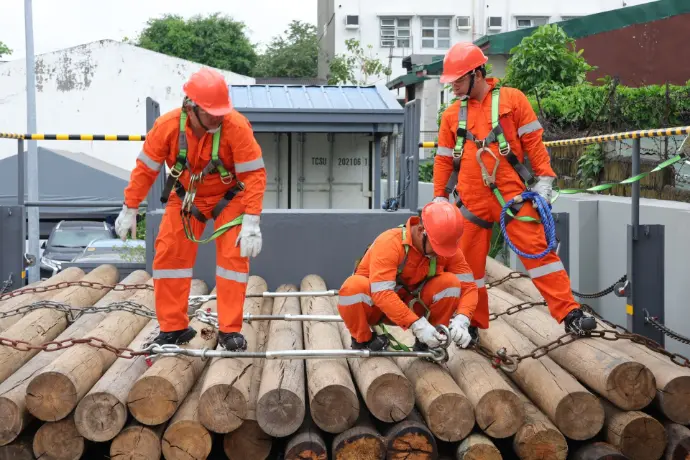
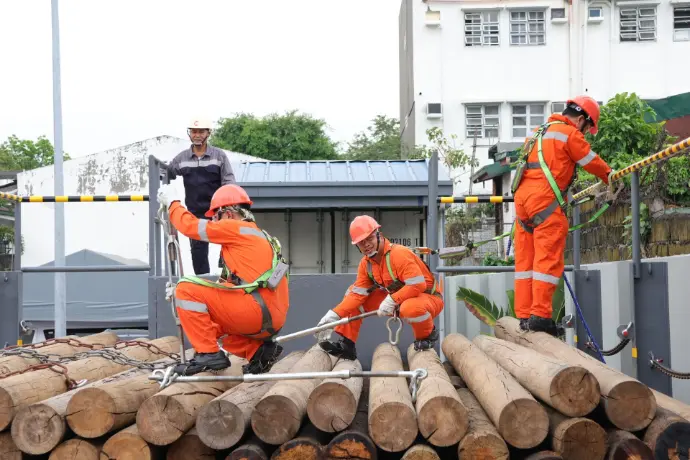
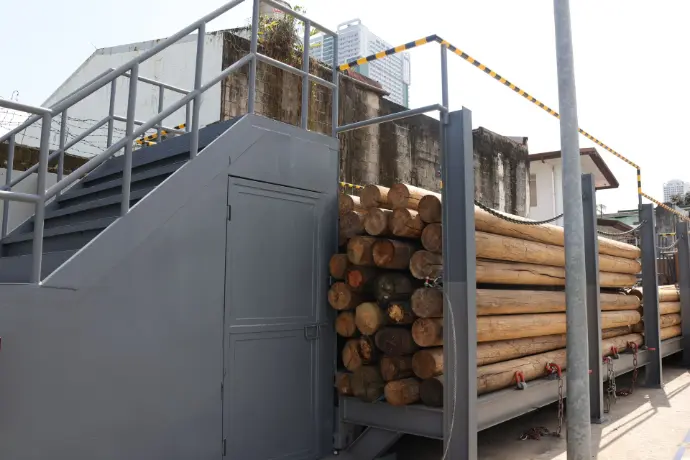
A highlight of the training was the use of the center’s newly developed practical training of the Log Lashing Facility, purpose-built to meet the growing demand for log lashing operations. It provided trainees with a safe, controlled environment to practice stowage and securing techniques, reinforcing their competence and confidence in handling timber deck cargoes.

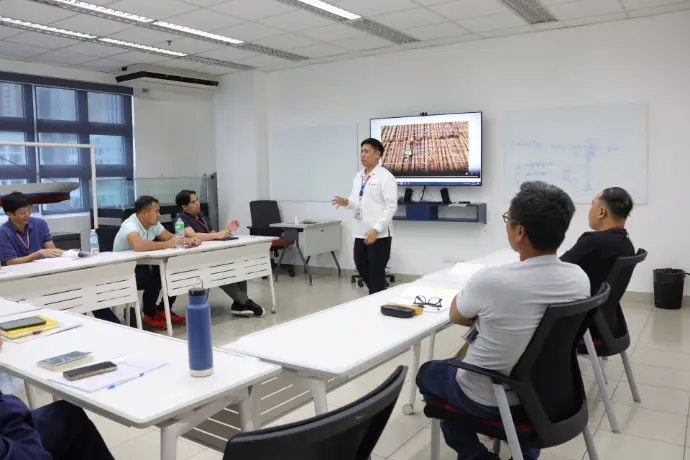
The course was led by Senior Instructor Capt. Raymundo Elizario Jr. and BSN Sonnier Villaluna, under the supervision of Capt. Albino Ridulfa, Head of Deck Training, whose extensive industry experience and practical insights enriched the learning experience and ensured that participants gained not only technical knowledge but also operational wisdom.'
By the end of the training, participants were able to confidently carry out general operational requirements for the stowage and securing of timber deck cargoes, reinforcing their readiness to meet industry demands.
This successful collaboration underscores the training center’s dedication to delivering relevant, standards-driven programs that support the continuous development of maritime professionals.
As global shipping operations evolve, initiatives like this ensure that seafarers remain equipped with the competencies needed to uphold safety, efficiency, and excellence at sea.